Alphabet Flashcards: Free Printable ABC Cards for Kids
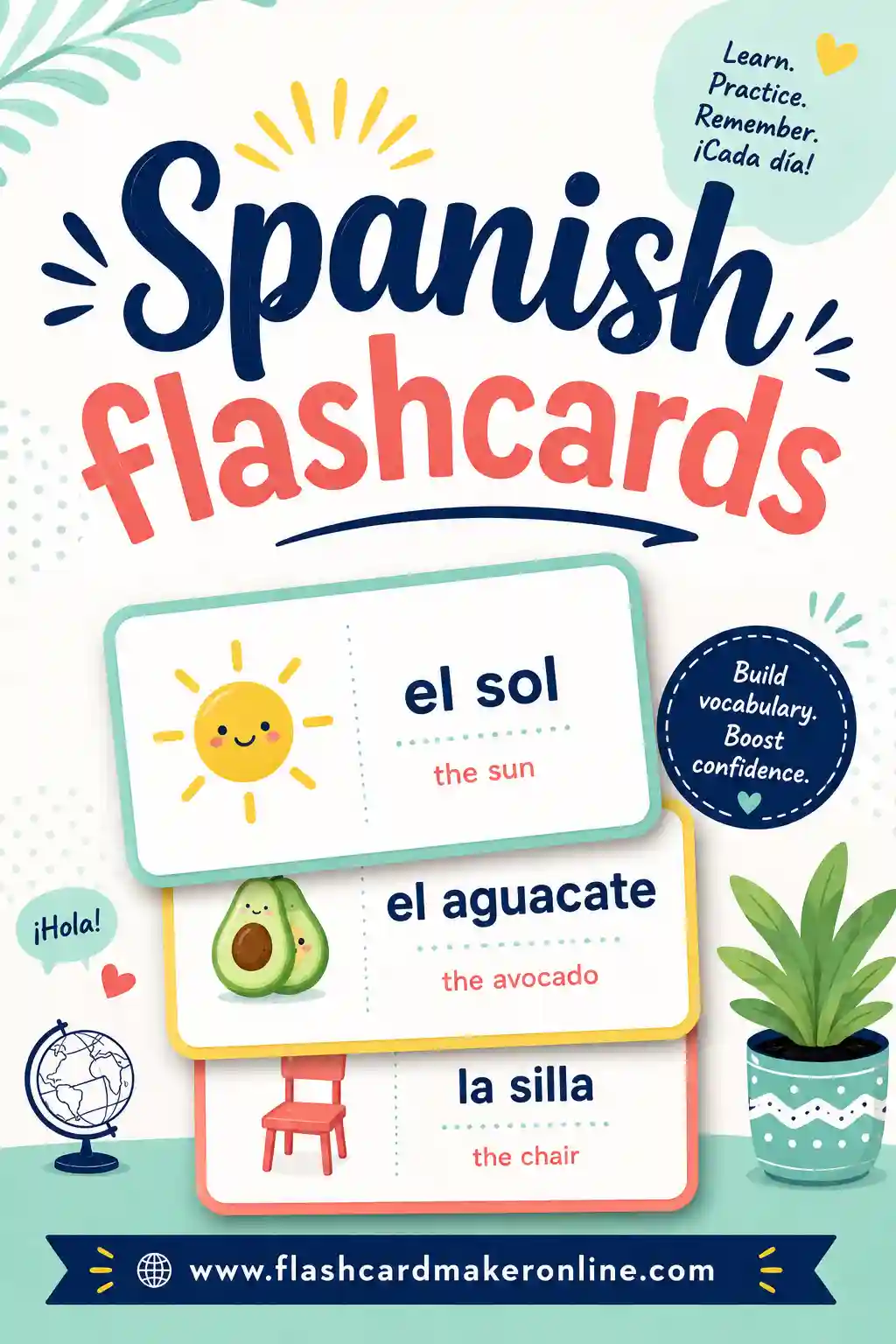
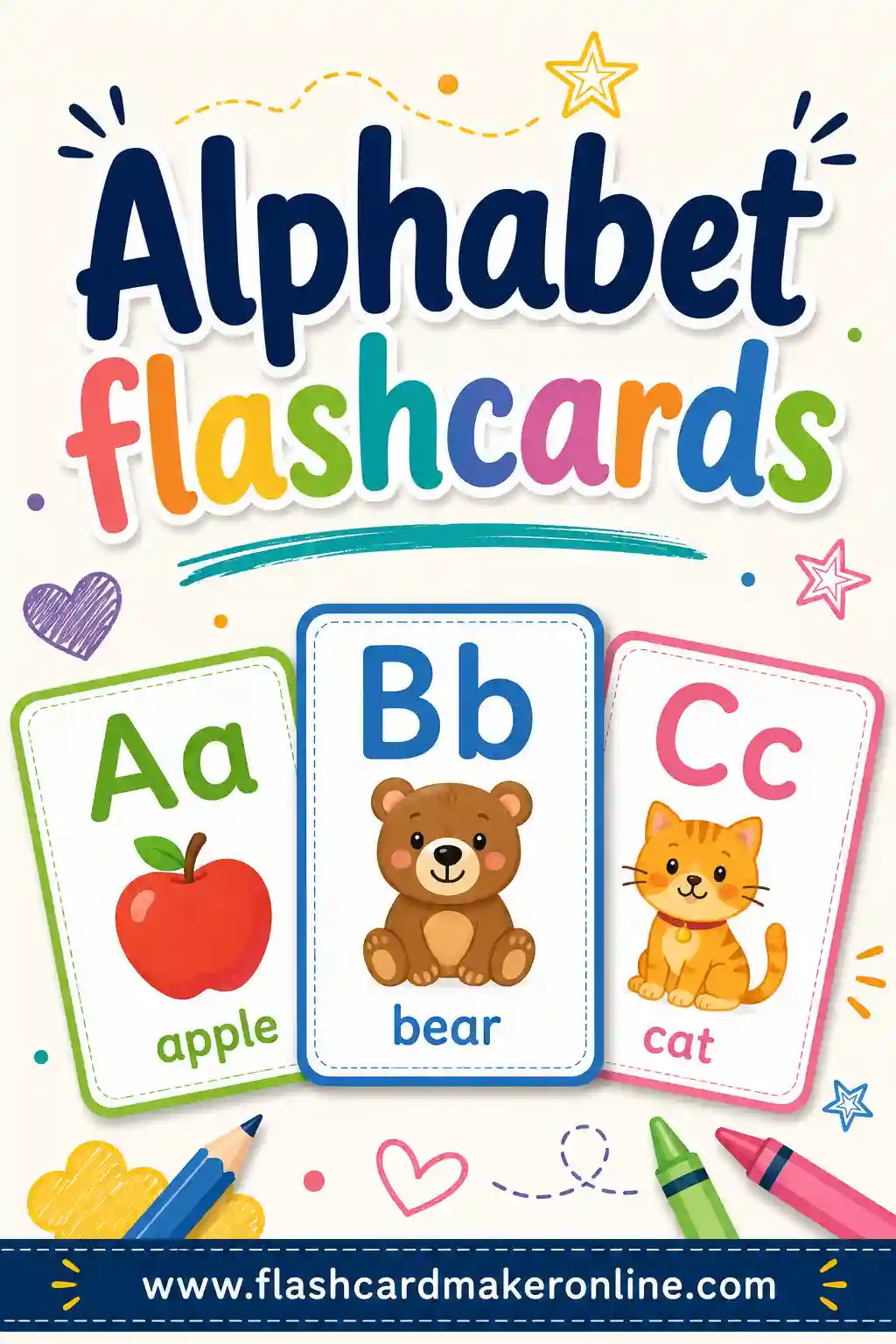
Alphabet flashcards are simple two-sided cards that show a letter on the front, like "A," and a matching picture or word on the back, like "Apple." Kids study them by naming the letter, saying its sound, then flipping to see a word that starts with it. The quickest way to build a full A-to-Z set is to use a free flashcard maker that turns your letter list into cards you can flip on screen or print at home.
Want to make your own right now? Open the free flashcard maker, type your letters and picture words (there's a ready-made list below), and start studying or print a set. No sign-up, no fee, nothing to install.
What Are Alphabet Flashcards?
Alphabet flashcards are one of the oldest, simplest learning tools around, and they still work. Each card features a single letter on the front. On the back you put a clue: a picture, a word that starts with that letter, or both. So the "B" card might flip to "Ball," and the "M" card to "Moon."
They help kids learn three things at once:
- Letter names — that this shape is called "ess," not just a squiggle.
- Letter sounds — that "S" makes the sss sound, the building block of phonics.
- Letter recognition — spotting the same letter in different fonts, sizes, and places.
You can make a set with just uppercase letters, just lowercase, or both. Many parents start with uppercase because the shapes are more distinct, then add lowercase once those click.
Why Alphabet Flashcards Help Early Readers
Learning to read starts with knowing letters cold. A child who has to stop and puzzle out each letter can't yet blend them into words. Flashcards build that automatic recognition so reading can take off.
Two learning ideas make flashcards especially good for this.
Active recall. When a child sees "F" and tries to name it before flipping, their brain does the work of retrieving the answer. That effort is exactly what locks the letter into memory, far more than passively reciting the alphabet song.
Spaced repetition. Review letters, take a break, then review again. Cards a child knows can come up less often, while the tricky ones (often b/d or p/q, which look alike) come up more. Flashcards make that easy to manage by hand.
Add a picture to the back and you give the brain a hook. "B is for Ball" sticks better than "B" alone, because the image and the sound reinforce each other.
Free A-to-Z Word List (Copy & Paste)
Here's a ready-to-use sample deck, one friendly picture word per letter. The left column is the front of the card (the letter); the right column is the back (the picture word). Paste these into the maker, or swap in words your child loves.
| Front (letter) | Back (picture word) |
|---|---|
| A | Apple |
| B | Ball |
| C | Cat |
| D | Dog |
| E | Egg |
| F | Fish |
| G | Goat |
| H | Hat |
| I | Igloo |
| J | Jam |
| K | Kite |
| L | Lion |
| M | Moon |
| N | Nest |
| O | Orange |
| P | Pig |
| Q | Queen |
| R | Rain |
| S | Sun |
| T | Tree |
| U | Umbrella |
| V | Van |
| W | Whale |
| X | Xylophone |
| Y | Yarn |
| Z | Zebra |
That's a full 26-card alphabet. Pick simple, easy-to-picture words so non-readers can connect the letter to something real.
Tougher letters and easy picture words
A few letters trip kids up. These picture words keep them simple.
| Letter | Why it's tricky | Easy word |
|---|---|---|
| Q | Almost always pairs with U | Queen |
| X | Rare at the start of words | X-ray, Xylophone |
| Y | Sounds change a lot | Yarn, Yo-yo |
| Z | Less common in early words | Zebra, Zip |
How to Make Alphabet Flashcards in 4 Steps
No design skills needed. Here's the whole process.
- Choose your letters. Start with all 26 uppercase, or just the handful you're working on this week.
- Add a picture word for each. Put the letter on the front and the word on the back. The list above is ready to go.
- Study or print. Flip through them on screen, or print a set to cut out and hold.
- Sort as you go. Keep mastered letters in one pile and shaky ones in another, then drill the shaky pile more.
If you print, cardstock holds up to little hands far better than paper. A hole punch and a ring binder turn the deck into a flip book that won't scatter.
Fun Ways to Study Alphabet Flashcards
Letters can get boring fast for a small child. These games keep it playful.
Letter hunt
Hold up a card and have your child run to find something in the room that starts with that letter. "C" sends them off looking for a cup or a chair. Movement plus letters keeps little learners engaged.
Sound it out, not just name it
Don't stop at the letter name. Ask "What sound does it make?" Naming letters is a start, but phonics, the sounds, is what unlocks reading. Make the sound together, then flip to the picture word.
Match the letter to the picture
Lay out a few letter cards and a few picture cards face up. Have your child match "B" to "Ball." This builds the letter-to-sound link in a hands-on way that feels like a game, not a drill.
Five minutes, often
A small child's focus is short. Two quick rounds a day beat one long session. Stop while it's still fun so your child looks forward to the next round.
Who Alphabet Flashcards Are Great For
This simple set fits a lot of learners.
Toddlers and preschoolers
This is the classic age for alphabet flashcards. Use uppercase letters with bright, simple picture words. Keep sessions short and full of praise. The goal is building a happy relationship with letters, not perfection.
Kindergarten classrooms
Teachers use ABC cards for circle time, letter-of-the-week walls, and quick small-group practice. Print a class set, or let kids make their own cards as a craft (drawing the picture is great fine-motor practice).
Kids learning English as a new language
Letter-and-picture cards bridge the gap when words are unfamiliar. Seeing "A" next to a picture of an apple teaches the letter and a new word at the same time.
Kids who confuse similar letters
For the classic b/d/p/q mix-up, make a focused mini-deck of just those letters with strong picture cues, and study them more often. Targeted practice beats running the whole alphabet again.
A Simple Weekly Routine That Works
You don't need a strict curriculum to teach the alphabet. A light, steady rhythm beats long, forced sessions. Here's an easy week.
- Monday — meet a few letters. Pull out three or four new letters with their picture words. Name each one, make its sound, and look at the picture together. Keep it slow and friendly.
- Tuesday — review and sort. Run the same letters and notice which ones your child names easily and which need help. Spend more time on the shaky ones.
- Wednesday — play a game. Do a letter hunt or a match-the-picture game with the week's letters. Movement and play lock the letters in without feeling like work.
- Thursday — mix in old letters. Add a few letters from last week so they don't slip away. Shuffle so your child can't lean on the alphabet song order.
- Friday — celebrate. Run the week's letters one last time and cheer the progress. Ending on a win keeps your child eager for next week.
Three or four new letters a week is a comfortable pace, and you can slow down or speed up to match your child. The alphabet isn't a race. A child who enjoys letters will learn far more than one who's pushed too hard.
Common Mistakes to Avoid
A few habits quietly make alphabet practice harder. Watch out for these.
- Too many letters at once. A child can't hold all 26 in a session. Work on a handful at a time and add more as the early ones stick.
- Only ever singing the alphabet song. The song teaches order, not recognition. A child needs to name letters out of sequence, so shuffle the cards.
- Skipping the sounds. Letter names alone won't unlock reading. Always pair the name with the sound, because the sounds are what blend into words later.
- Pushing through frustration. If your child is done, stop. End on a known letter and a smile so the next session feels welcoming.
- Ignoring lowercase. Once uppercase clicks, lowercase matters just as much for real reading. Don't skip it.
Printing Tips for Sturdy ABC Cards
A few choices make your cards last through lots of little hands.
- Use cardstock if you can. It stands up to bending, dropping, and the occasional chew.
- Print big, bold letters. Young eyes need large, clear shapes. Avoid fancy fonts that distort letter forms.
- Add the picture if you can. A simple image on the back gives non-readers a clue and makes practice more fun.
- Laminate or use sleeves. Then the cards survive spills and can be wiped clean.
- Make uppercase and lowercase sets. Once uppercase clicks, a matching lowercase deck helps kids connect the two forms.
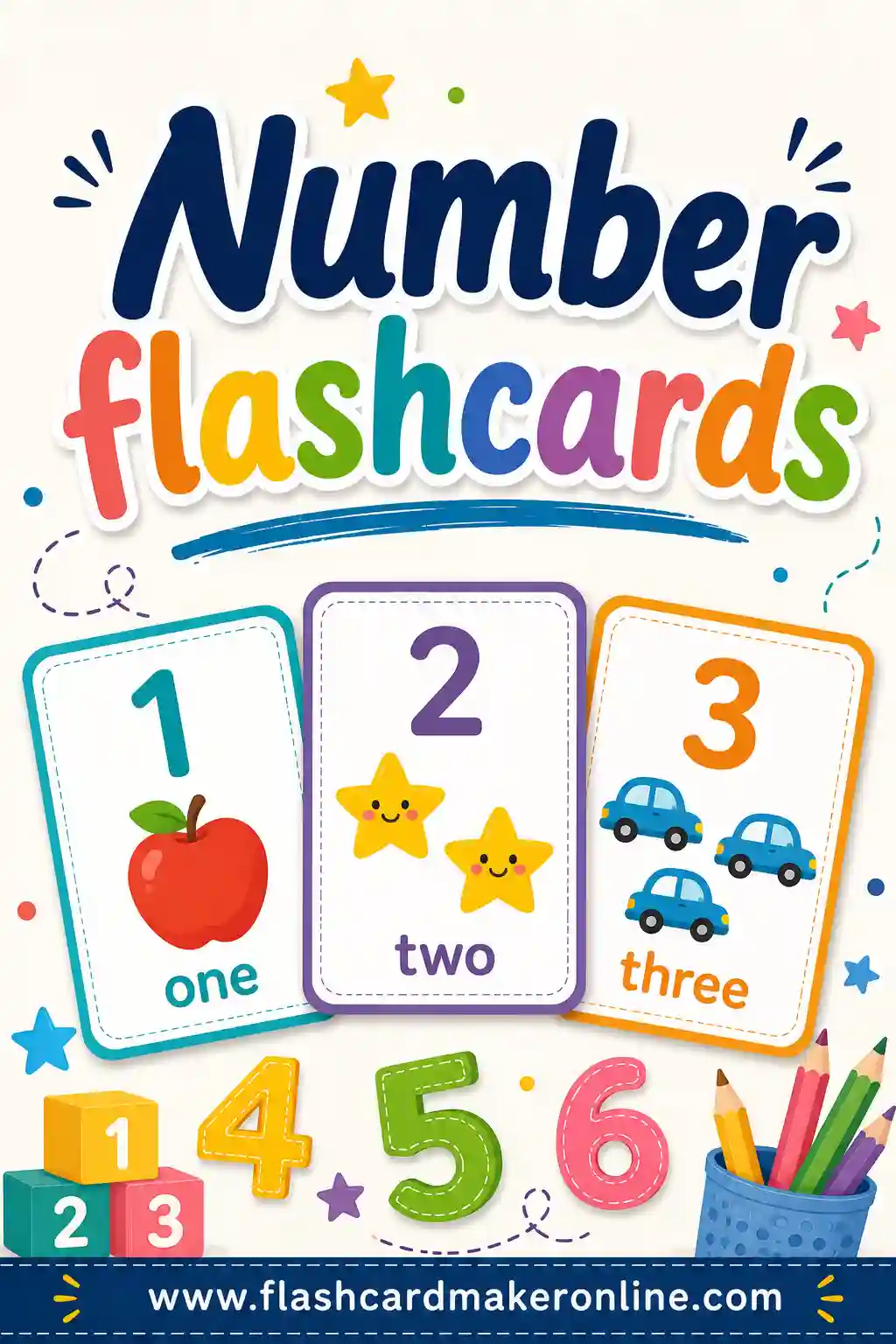
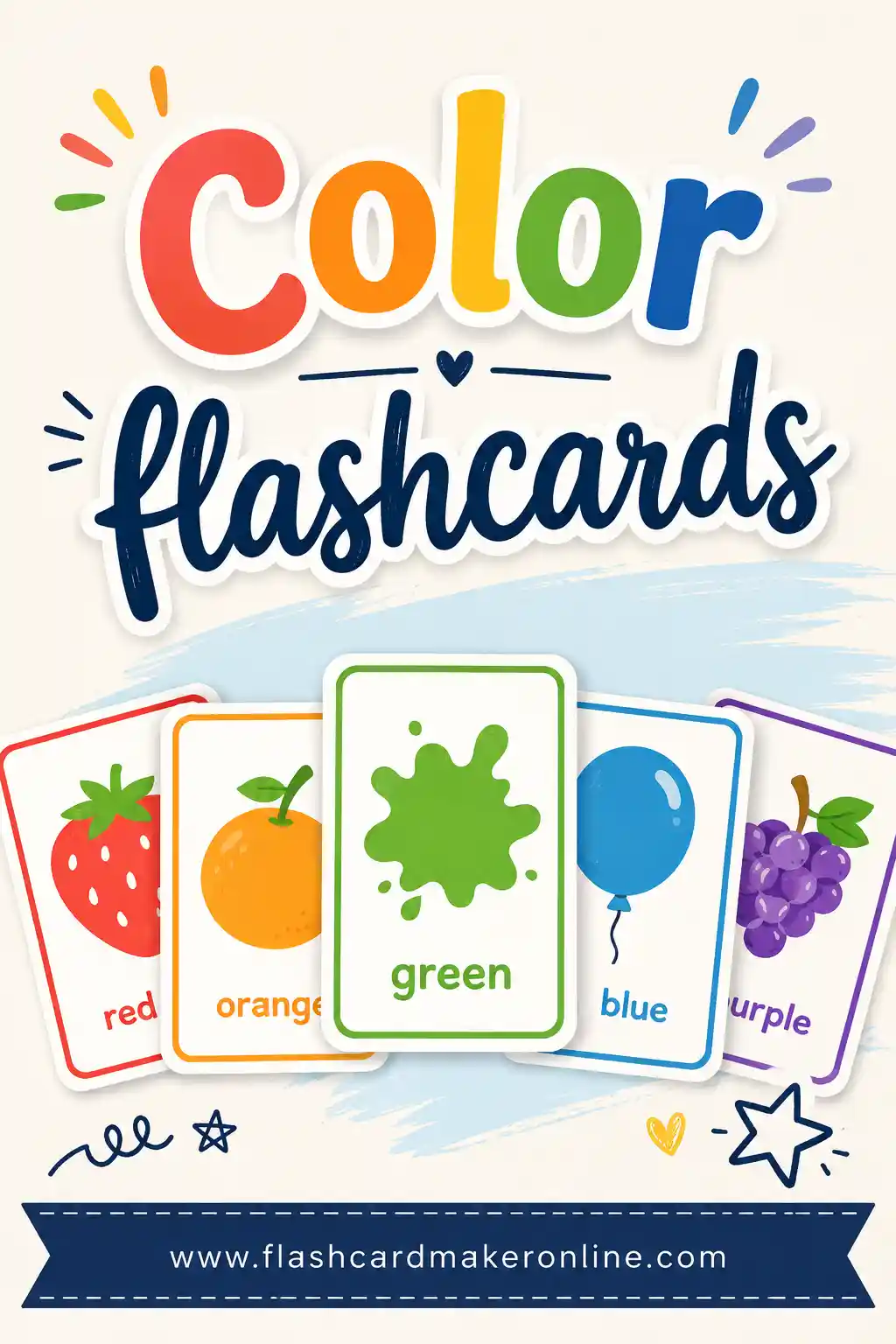
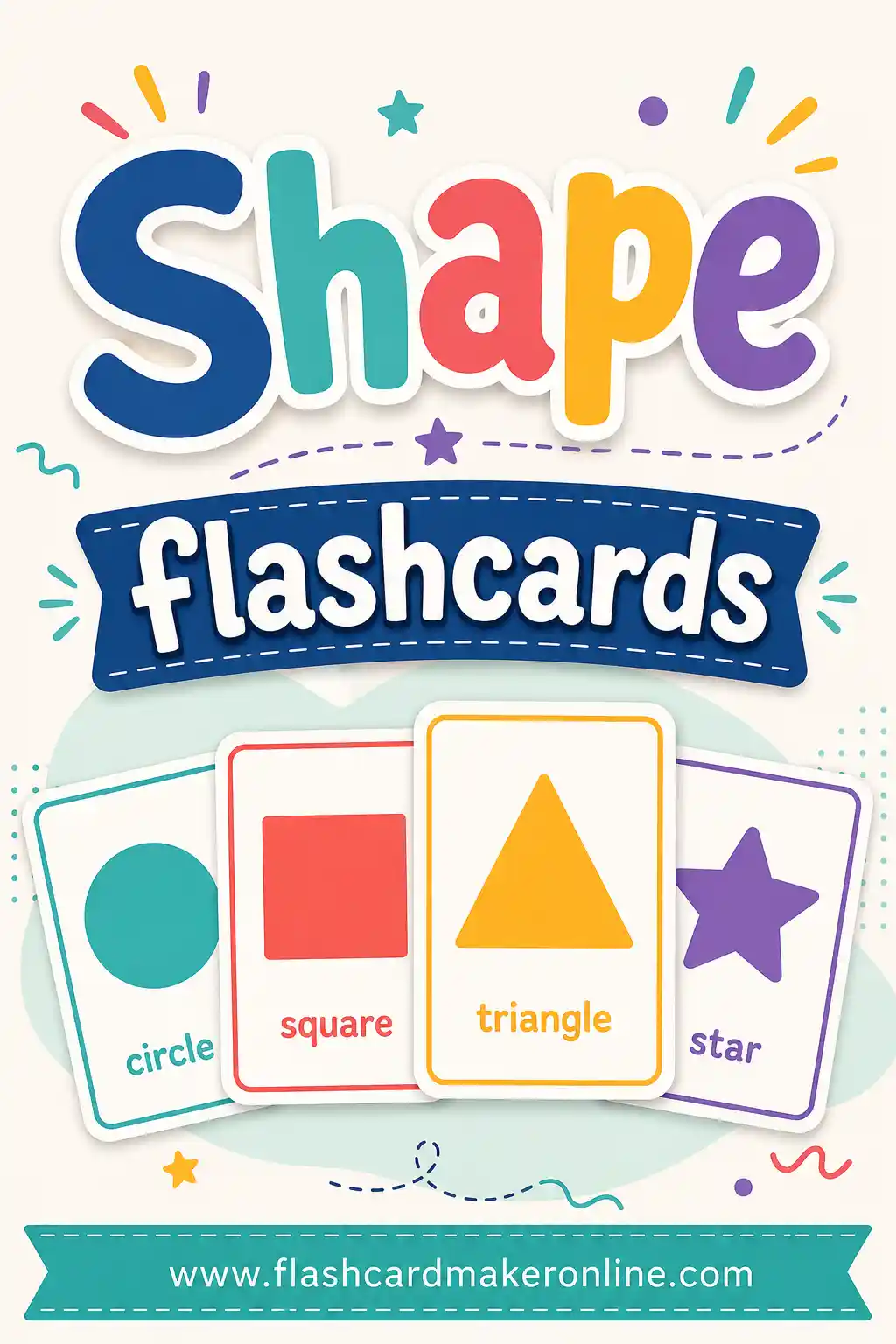
Building a whole early-learning corner? You can make matching sets with our number flashcards, color flashcards, and shape flashcards.
Frequently Asked Questions
What age should kids start alphabet flashcards?
Many kids enjoy them around ages 2 to 3, starting with uppercase letters and simple picture words. There's no rush. Keep sessions short and playful, and follow your child's interest rather than forcing a pace.
Should I teach uppercase or lowercase letters first?
Uppercase is usually easier to start with because the shapes are more distinct and harder to confuse. Once your child knows uppercase letters well, introduce a matching lowercase set and practice connecting the two forms.
Are these alphabet flashcards free to print?
Yes. You make and print them yourself at no cost with the free flashcard maker. There's no sign-up and no watermark, so you can outfit a whole classroom or home from a single A-to-Z list.
Should alphabet flashcards teach letter names or sounds?
Both, but sounds matter most for reading. Name the letter, then make its sound together. A child needs the sounds to blend letters into words later, so don't skip the phonics part.
How do I help with letters that look alike, like b and d?
Make a small focused deck of just the confusing letters, pair each with a strong picture cue, and study them more often than the others. Targeted, repeated practice on those few letters works better than re-running the full alphabet.
Can I use alphabet flashcards without printing?
Yes. The maker lets you flip cards on screen, so you can practice on a phone or tablet anywhere, no paper or ink needed, which is handy on the go.
Ready to Make Your Alphabet Flashcards?
Grab the A-to-Z list above, open the free flashcard maker, and you'll have a full set ready to flip or print in minutes. It's free, there's no sign-up, and you can pick picture words your child already loves, so learning letters feels like play. Start with five minutes a day and watch those letters click into place.