How to Study Faster: Learn More in Less Time
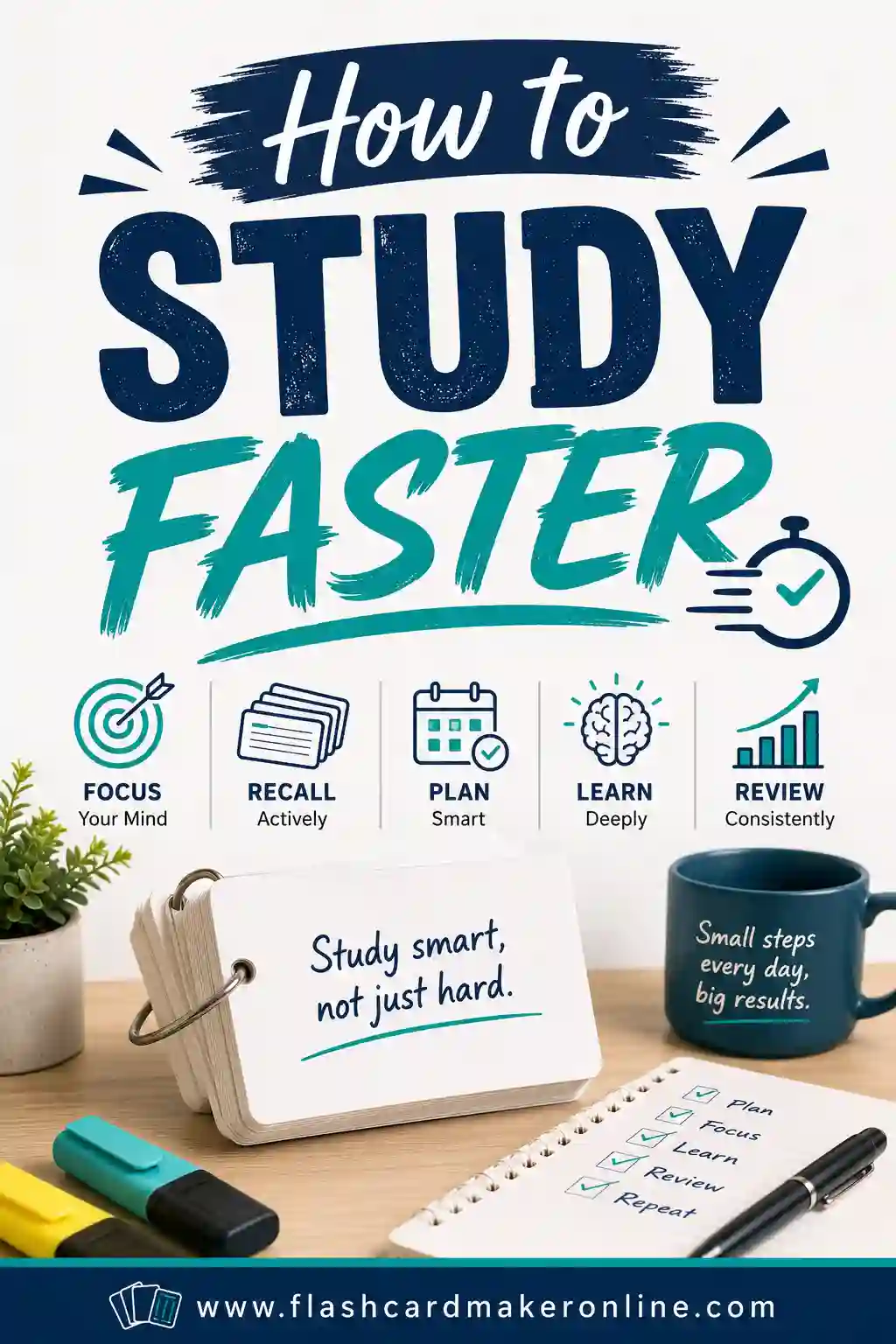
To study faster, stop rereading and start testing yourself. The fastest learners use active recall (quizzing themselves instead of reviewing), spaced repetition (reviewing at growing intervals), and focused study blocks with real breaks. These three habits let you learn more in less time because they target retention, not just exposure. The single easiest way to put them into practice is flashcards — and you can build a free deck in a couple of minutes to start studying smarter today.
Studying faster isn't about cramming harder or chugging more coffee. It's about cutting the wasted effort — the rereading, the highlighting, the re-watching — and replacing it with techniques that actually move information into long-term memory. Here's how.
Why You Feel Slow (And It's Not Your Fault)
Most people were never taught how to study — they just absorbed bad habits. Highlighting, rereading, and copying notes feel productive because they're easy and you recognize the material as you go. That recognition tricks you into thinking you know it. Then the test hits and you blank.
The fix isn't more hours. It's swapping low-value activities for high-value ones. The techniques below aren't tricks; they're the methods backed by learning science, and they're faster precisely because they skip the busywork.
1. Use Active Recall Instead of Rereading
This is the big one. Active recall means testing yourself — pulling the answer out of your head — instead of reviewing it again.
Reading a definition for the fifth time is passive. Closing the book and forcing yourself to recall that definition is active. The active version feels harder, and that's exactly why it's faster: the effort of retrieval is what burns the fact into memory. You learn in one good recall session what five rereads can't deliver.
How to do it:
- After reading a section, close it and write down everything you remember.
- Turn your notes into questions and answer them out loud.
- Use flashcards — the purest form of active recall. Front asks, you answer, then flip.
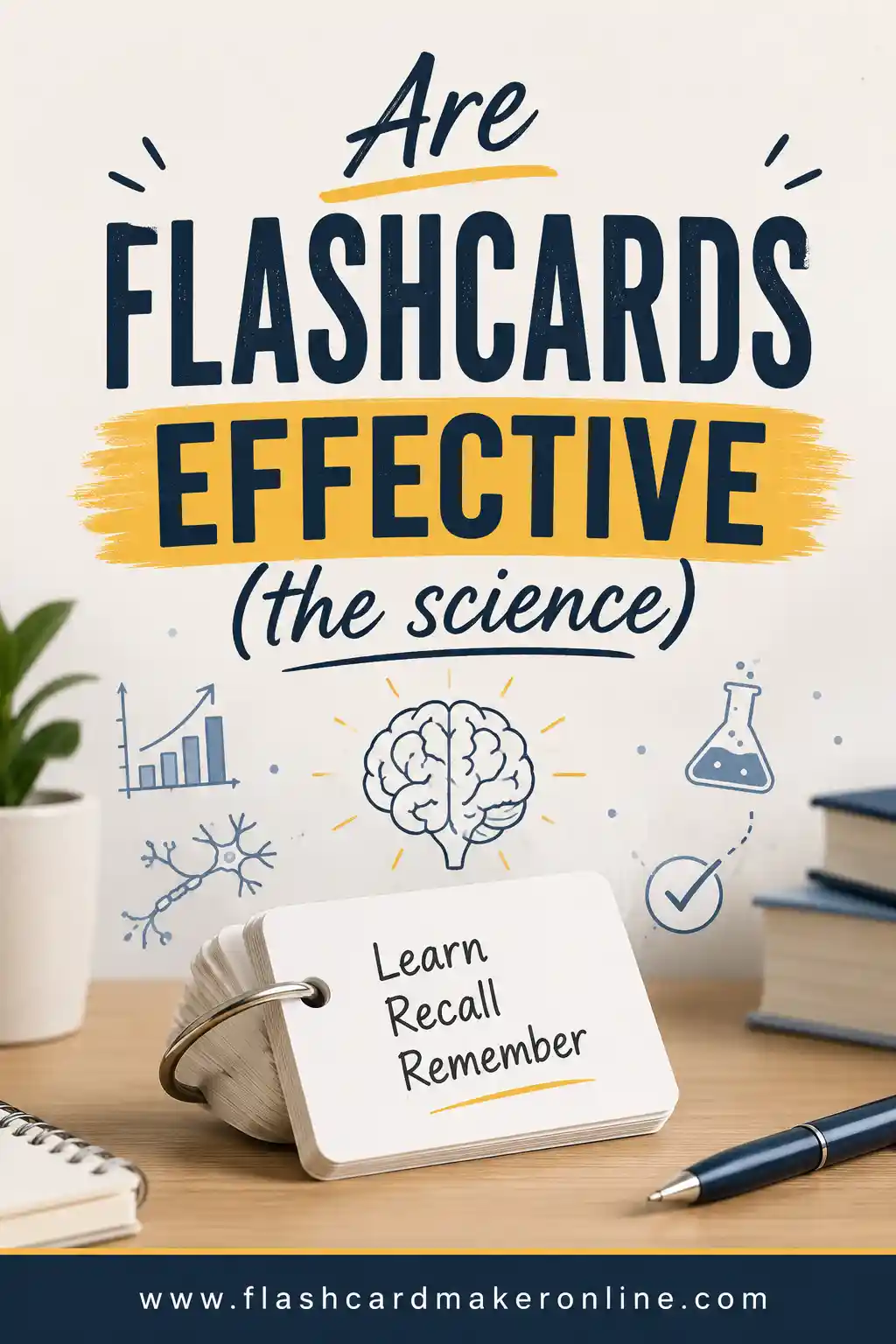
If you only change one habit, make it this one. (Want the evidence? See the science behind flashcards.)
2. Space Your Reviews
Cramming all your studying into one marathon session is the slowest way to learn long-term, because most of it fades within days. Spaced repetition fixes this: review material today, again in two days, again in a week, again in a month.
Each review lands right as you're about to forget, which is the most efficient moment to reinforce a memory. Spacing your study across five short sessions beats one long cram session for the same total time — you remember more and you remember it longer.
The practical move: don't try to learn a topic in one sitting. Break it into short sessions across several days. Flashcards make this effortless because you can shuffle in the cards you keep missing and rest the ones you've mastered.
3. Study in Focused Blocks (Pomodoro)
Your brain can't focus hard for three straight hours. Trying to is why "I studied all day" often means "I stared at a page all day."
The Pomodoro technique fixes this:
- Pick one task.
- Set a timer for 25 minutes and work with zero distractions.
- Take a 5-minute break.
- After four rounds, take a longer 15–30 minute break.
Short, intense sprints beat long, distracted slogs. You get more done in two focused hours than in five foggy ones — that's studying faster by definition. Put your phone in another room during the sprint; it's the biggest time thief you have.
4. Mix Topics (Interleaving)
It feels natural to study one topic until you've mastered it, then move on. But mixing related topics in a single session — interleaving — actually helps you learn faster.
When you jump between topics, your brain has to keep re-engaging and choosing the right approach, which strengthens your ability to recall the right thing at the right time. That's exactly what tests demand. So instead of doing 30 problems of one type, mix three types together. It feels harder; it works better.
5. Make Smart Flashcards
Flashcards deserve their own section because they bundle several of these techniques into one tool: active recall (you answer before flipping), spaced repetition (you sort and reschedule cards), and quick review anywhere.
Rules for fast, effective cards:
- One idea per card. Clean question, clean answer.
- Write the front as a question, not just a term, so it mirrors how you'll be tested.
- Answer before flipping. Don't peek — the struggle is the point.
- Shuffle so you don't memorize order.
- Set aside cards you know and drill the hard ones.
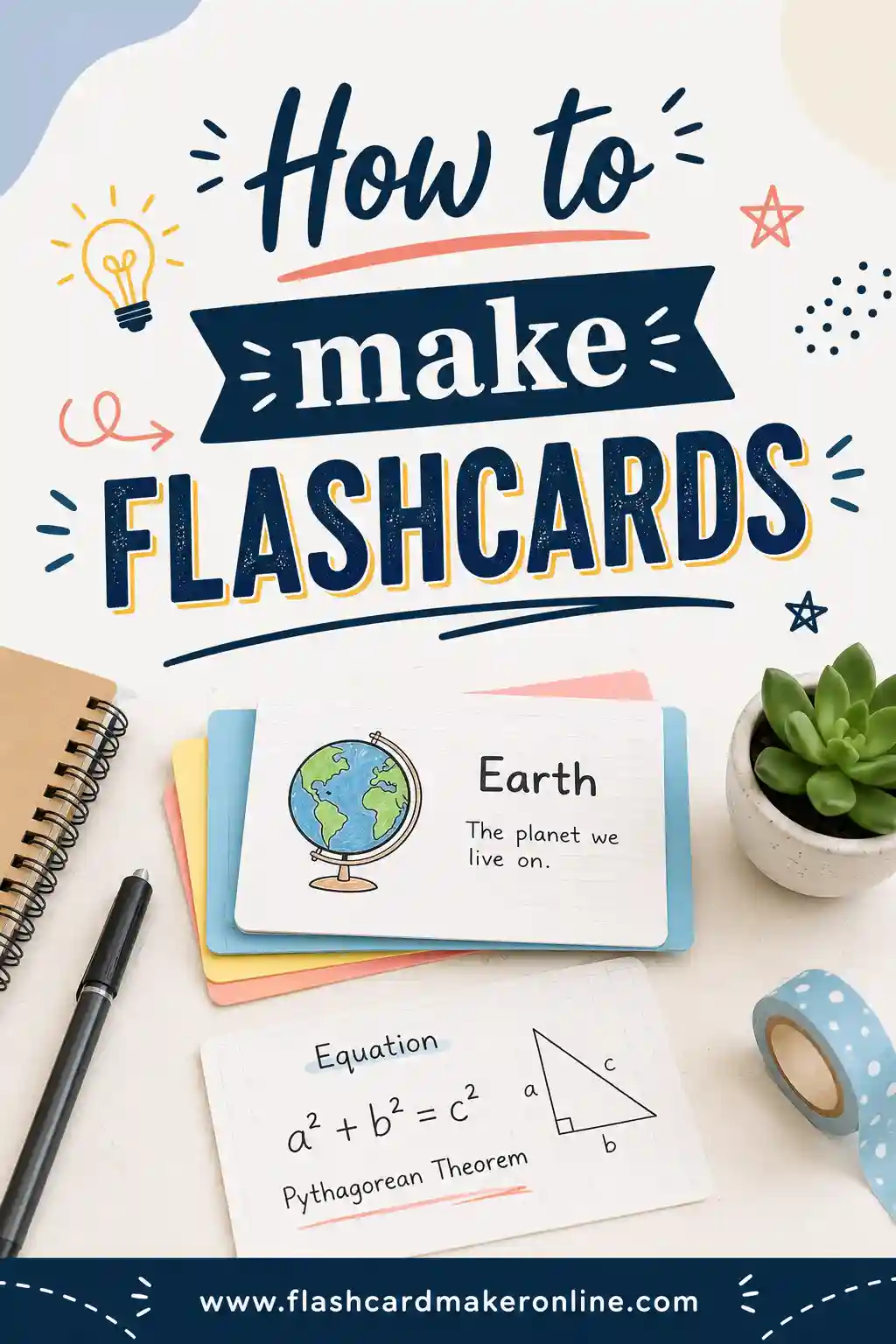
You can build a deck in a couple of minutes with the free flashcard maker, then flip on your phone between classes, on the bus, anywhere.
A Sample "Study Smarter" Deck
Want to internalize these techniques? Here's a ready-made deck on studying itself. Copy it into the flashcard maker and quiz yourself — meta, but it works.
| Term | Definition |
|---|---|
| Active recall | Quizzing yourself instead of rereading material |
| Spaced repetition | Reviewing at increasing intervals over time |
| Pomodoro technique | Studying in 25-minute focused blocks with short breaks |
| Interleaving | Mixing different topics within one study session |
| Time blocking | Scheduling study into protected, distraction-free slots |
| Chunking | Grouping information so it is easier to remember |
| Testing effect | Learning more from self-quizzing than from rereading |
| Forgetting curve | How memory fades over time without review |
| Passive review | Rereading or highlighting without self-testing |
| Fluency illusion | Mistaking familiar material for material you know |
| Retrieval practice | Deliberately pulling answers from memory |
| Distributed practice | Spreading study across multiple sessions |
| Massed practice | Cramming all study into one block |
| Mnemonic | A memory aid like an acronym or rhyme |
| Elaboration | Explaining an idea in your own words to understand it |
| Metacognition | Judging how well you actually know something |
| Deep work | Distraction-free, high-concentration study |
| Single-tasking | Focusing on one task instead of multitasking |
| Sleep consolidation | The brain locking in memories during sleep |
| Recall vs recognition | Producing an answer vs spotting it among options |
Twenty cards on how to learn faster. Studying these is practicing the method.
6. Fix the Basics: Sleep, Phone, Environment
The techniques only work if your brain and environment cooperate. Three quick wins:
- Sleep is study time. Your brain consolidates memories during sleep. Pulling an all-nighter to study more actually erases some of what you learned. Seven to nine hours beats one extra hour of cramming.
- Kill distractions. Every time you check your phone, you pay a "switching cost" to refocus. One notification can cost you minutes of momentum. Phone in another room, notifications off.
- Have a study spot. A consistent, tidy place tells your brain "it's study time" and cuts the warm-up friction.
These aren't glamorous, but they're the difference between studying for an hour and learning for an hour.
Your Faster-Study Routine, Step by Step
Put it all together:
| Step | Action | Technique |
|---|---|---|
| 1 | Read a section once to understand it | Encoding |
| 2 | Close it and recall what you remember | Active recall |
| 3 | Turn key facts into flashcards | Retrieval setup |
| 4 | Study cards in 25-minute sprints | Pomodoro |
| 5 | Mix topics in the session | Interleaving |
| 6 | Review the deck again in 2 days, a week, a month | Spaced repetition |
| 7 | Sleep well between sessions | Consolidation |
Run this loop and you'll cover more material, retain it longer, and spend fewer total hours doing it. That's what studying faster actually looks like.
Frequently Asked Questions
What's the single fastest way to study?
Active recall — testing yourself instead of rereading. Pulling an answer from memory strengthens it far more per minute than reviewing it again. Flashcards are the easiest way to do active recall, which is why fast learners rely on them.
Does studying faster mean cramming?
No — it's the opposite. Cramming is the slowest way to learn for the long term because most of what you cram fades within days. Studying faster means spacing your reviews and using active recall so you retain more in fewer total hours.
How can flashcards help me study faster?
Flashcards bundle active recall and spaced repetition into one tool. You answer before flipping (recall), and you reschedule and shuffle cards to review them at the right intervals (spacing). You can build a free deck in minutes and quiz yourself anywhere, even in short gaps.
How long should a study session be?
Aim for focused 25-minute blocks with 5-minute breaks (the Pomodoro technique), with a longer break after four rounds. Short, intense sprints beat long, distracted sessions — you'll get more done in two focused hours than five foggy ones.
Why does rereading my notes feel productive but not work?
Because rereading is passive — you recognize the material and assume you know it, which is the fluency illusion. Recognizing isn't the same as recalling. Real learning comes from testing yourself, which forces your brain to produce the answer the way an exam will.
Does sleep really affect how fast I learn?
Yes. Your brain consolidates memories during sleep, so a good night's rest locks in what you studied. Skipping sleep to study more is counterproductive — you'll forget more than the extra hour gains you. Treat sleep as part of your study routine.
Ready to Study Faster Starting Today?
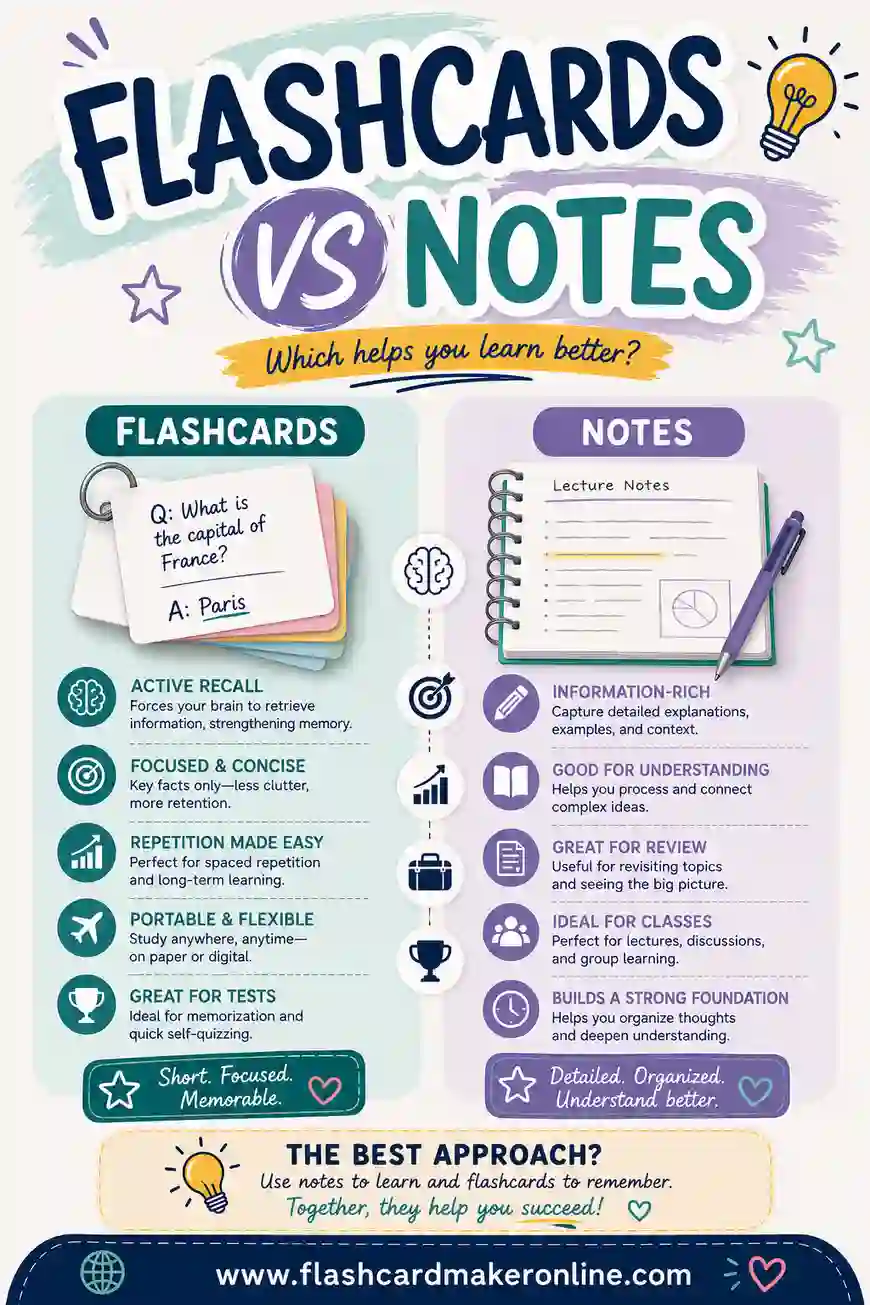
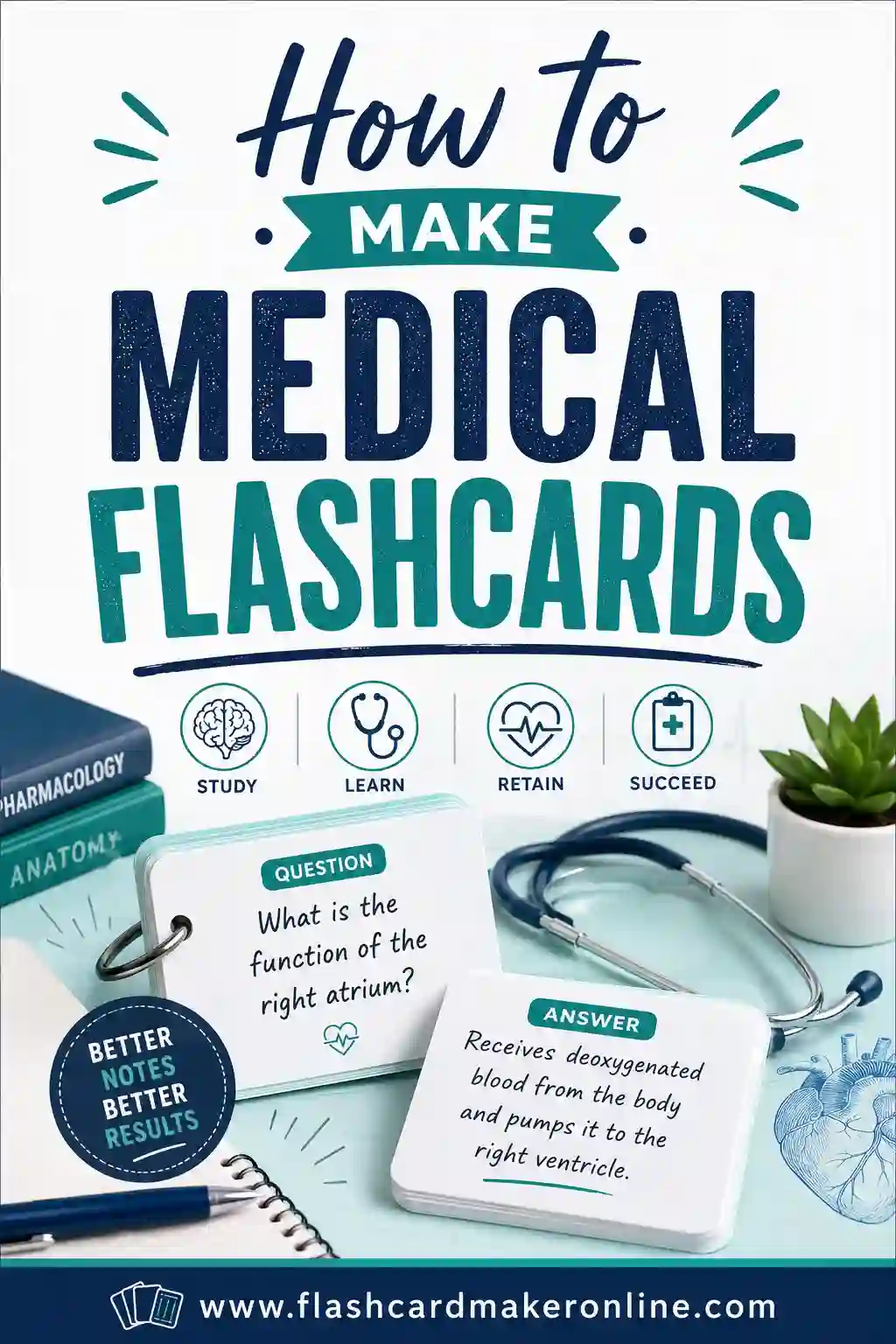
You don't need more hours — you need better methods. Swap rereading for active recall, space your reviews, work in focused sprints, and let sleep do its job. The simplest first step is flashcards: open the free flashcard maker, build a deck, and start quizzing yourself instead of rereading. It's free with no sign-up. Keep leveling up with the science behind flashcards, flashcards vs notes, and how to make medical flashcards if you're in a heavy program. Study smarter, finish sooner.